Category Archives: Main

Ways to treat Tooth Sensitivity

Tooth sensitivity, also known as dentin hypersensitivity, is a common dental condition characterized by pain or discomfort in the teeth when exposed to certain triggers such as hot, cold, sweet, or acidic foods and beverages. This sensitivity can range from mild to severe, often interfering with daily activities like eating and drinking. Understanding the causes of tooth sensitivity and exploring effective treatments can help alleviate discomfort and prevent further issues.

Causes of Tooth Sensitivity

The primary cause of tooth sensitivity is the exposure of dentin, the inner layer of the tooth. Dentin contains microscopic tubules that connect to the tooth’s nerve. When the enamel (the tooth’s protective outer layer) wears away or gums recede, these tubules become exposed. This allows external stimuli, such as temperature changes or sugary foods, to reach the nerve, causing pain.

Here are the most common causes of tooth sensitivity:

  1. Enamel Erosion
    Acidic foods and beverages (e.g., citrus or soda), aggressive brushing, or teeth grinding can wear away enamel over time, exposing the underlying dentin.
  2. Gum Recession
    When gums recede due to gum disease, improper brushing habits, or aging, the tooth roots, which lack enamel, are exposed, leading to sensitivity.
  3. Teeth Grinding (Bruxism)
    Stress or misaligned teeth can lead to clenching or grinding, which erodes enamel and causes sensitivity.
  4. Cavities or Cracked Teeth
    Dental decay or cracks in teeth can expose the dentin, resulting in sharp pain when consuming hot, cold, or sweet foods.
  5. Whitening Treatments
    Teeth-whitening procedures can temporarily irritate the dentin, leading to short-term sensitivity.
  6. Dental Procedures
    Recent dental treatments such as fillings, crowns, or professional cleanings may cause temporary sensitivity while the tooth heals.

Managing and Treating Tooth Sensitivity

Effective management of tooth sensitivity involves addressing its underlying causes and adopting preventive measures. Here are some recommended actions:

  1. Use a Soft-Bristled Toothbrush
    Hard-bristled toothbrushes can irritate gums and wear down enamel. Switching to a soft-bristled toothbrush helps prevent further damage.
  2. Desensitizing Toothpaste
    Special toothpastes for sensitive teeth contain compounds that block nerve pathways, reducing sensitivity over time. Regular use can provide significant relief.
  3. Avoid Acidic Foods and Drinks
    Acidic substances such as citrus fruits, tomatoes, and soda can erode enamel. Limiting these foods can help protect your teeth.
  4. Fluoride Treatments
    Dentists at https://melwooddental.com may recommend fluoride applications to strengthen enamel and reduce sensitivity by covering exposed dentin.
  5. Mouthguards for Teeth Grinding
    Custom-fitted mouthguards can protect teeth from damage caused by grinding, particularly during sleep.
  6. Proper Brushing Techniques
    Brushing too hard or using improper techniques can harm gums and enamel. Brush gently in circular motions to prevent further damage.
  7. Professional Dental Care
    For sensitivity caused by cavities, cracks, or gum disease, dentists may recommend treatments such as fillings, crowns, or gum therapy to alleviate discomfort and restore oral health.

Conclusion

While tooth sensitivity is manageable, identifying and addressing its root cause is essential for effective treatment. If you experience persistent or severe sensitivity, consult your dentist. They can diagnose the issue and recommend the best course of action to protect your teeth and restore comfort. With proper care, you can maintain healthy teeth and continue enjoying your favorite foods and drinks without discomfort.

A Modern Approach to a Perfect Smile: Clear Aligners

A discreet and comfortable choice for people looking to straighten their teeth, clear aligners have become a popular substitute for traditional metal braces. created of clear, medical-grade plastic, these aligners are specially created to fit over the teeth and gradually move them into a more desired position over time. 

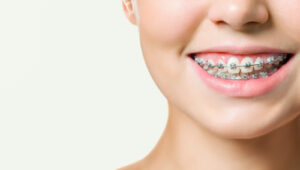
For adults and teenagers who wish to correct their teeth without drawing attention to their orthodontic treatment, clear aligners are the perfect option because of their practically undetectable shape. Clear aligners are translucent and simple to take off for eating, brushing, and flossing, in contrast to traditional braces, which have visible metal brackets and wires. Since they may be removed during meals to keep food from being lodged in the brackets, their flexibility makes them more hygienic and handy than metal braces.

A consultation with a dentist or orthodontist who specializes in this kind of therapy is the first step in the use of transparent aligners. Digital impressions of your teeth will be taken at this session, and the dentist will create a customized treatment plan at https://keepsmilingop.com. The orthodontist can map out your teeth’s movements using advanced 3D imaging technology, and a sequence of aligners will be manufactured just for your mouth. You will usually gradually move on to the next set of aligners in the sequence after wearing each set for one to two weeks. Your teeth will gradually shift until they are in the desired alignment.

The comfort of clear aligners is one of its main advantages. Because they are composed of smooth plastic, they don’t frequently cause the same kind of discomfort or irritation to the interior of the mouth as traditional braces. Additionally, the aligners are made to fit tightly around the teeth for a more secure and personalized fit. In the initial days of wearing a new aligner, some people may feel some slight pressure or soreness, but this is typically transient and indicates that the aligners are doing their job of moving the teeth.

The enhanced appearance that clear aligners provide is an additional benefit. Clear aligners are significantly less conspicuous than metal braces because they are nearly invisible, which may worry those who are self-conscious about how they look while undergoing treatment. This makes clear aligners a desirable choice, particularly for adults, for people who wish to preserve their professional image or avoid the stigma attached to wearing braces.

Although many people find transparent aligners to be a convenient and successful treatment choice, they are not appropriate for every situation. Traditional braces may still be necessary for severe orthodontic difficulties, such as complicated bite disorders, in order to get the intended results. To find out if clear aligners are a good treatment choice for your particular needs, it’s crucial to speak with an orthodontist.

A significant degree of patient dedication is also necessary with clear aligners. The aligners must be worn for the required duration of time each day, usually 20 to 22 hours, because they are removable. Longer treatment timeframes or less-than-ideal outcomes may arise from inconsistent wear. Additionally, to track progress and make sure the treatment is going according to plan, you will need to see your orthodontist frequently.

The convenience that clear aligners provide is one of its main benefits. Clear aligners typically require fewer appointments with the orthodontist than traditional braces, which necessitate frequent visits for modifications. Patients can save time and effort by simply moving on to the next set of aligners in the series to make the majority of the corrections. Because of this, people with hectic schedules or those who would rather avoid spending time in the dentist’s chair frequently choose transparent aligners.

The complexity of the procedure and the amount of time needed to get the desired outcomes are two examples of variables that can affect the price of clear aligners. Although the cost of clear aligners is generally equivalent to that of traditional braces, more complicated situations or treatments requiring longer durations may incur higher costs. Clear aligners are currently covered by a large number of dental insurance companies, and financing options can be available to help lower the cost of the procedure.

All things considered, those looking for an alternative to traditional braces frequently choose clear aligners since they provide a contemporary, discrete, and efficient method of straightening teeth. For people who want to straighten their teeth without the hassle and upkeep of traditional orthodontic treatments, transparent aligners offer an appealing alternative because to their comfort, convenience, and aesthetic advantages. As with any dental procedure, it’s crucial to speak with a licensed orthodontist to find out if clear aligners are the best option for you.

Why Choose Veneers?

Veneers are thin, custom-made shells that are glued to the front surface of teeth to improve their appearance. They are often made of composite resin or porcelain in tooth colors. They are a common cosmetic dentistry procedure used to improve the appearance of a smile by correcting a number of dental flaws.

There are various explanations for why someone would decide to have veneers:

1. Reversing Tooth Discoloration: Stains and discolorations that do not react well to teeth-whitening procedures can be successfully concealed with veneers. Regardless of the cause of the discoloration—genetics, aging, or certain medications—veneers can offer a durable way to get a whiter, brighter smile.

2. Restoring Chipped or Worn Teeth: Veneers can be used to restore teeth that are chipped, uneven, or worn down in order to give them a more symmetrical and uniform appearance. Veneers are a great way to improve the appearance of a smile by efficiently hiding little flaws and restoring the teeth’s natural shapes.

3 . Closing Spaces or Gaps Between Teeth: In certain situations, veneers can close minor spaces or gaps between teeth, removing the need for orthodontic treatment. Without the use of braces or clear aligners, the dentist can give the appearance of a straighter, more aligned smile by bonding veneers to nearby teeth.

4. Resculpting Irregular Teeth: Veneers can be used to refine and reshape teeth that are uneven, unequal, or deformed in order to produce a smile that is more balanced and harmonious. With veneers, the dentist can alter the teeth’s size, shape, and look to produce the ideal cosmetic outcome.

5. Enhancing the Overall Look of the Smile: Veneers can give your smile a complete makeover by taking care of several cosmetic issues at once. Veneers are a flexible and adjustable way to get a more radiant and self-assured smile, whether the goal is to radically change the smile or address minor faults.

Veneers usually require two or more dentist appointments to complete. The dentist will assess the patient’s oral health, talk over their expectations and goals for their appearance, and decide whether veneers are the best course of action at the initial consultation. In the event that veneers are selected, the dentist will take imprints of the teeth and prepare the teeth by removing a tiny bit of enamel to make way for the veneers.

The veneers are manufactured specifically to fit the patient’s teeth using the impressions that are submitted to a dental laboratory. Temporary veneers could be applied in the interim to preserve the teeth’s beauty and protection. When the permanent veneers are prepared, the dentist will use a unique adhesive to carefully adhere them to the front surfaces of the teeth, guaranteeing a snug and aesthetic fit.

Veneers can give patients a long-lasting and stunning smile makeover with years of regular care and upkeep. Maintaining general oral health as well as the longevity and aesthetic appeal of veneers requires routine brushing, flossing, and dental examinations. Make an appointment for a consultation with a licensed cosmetic dentist if you’re thinking about getting veneers to improve your smile. Find out more about your options and start your journey to having the smile of your dreams.

What is Dental Crown?

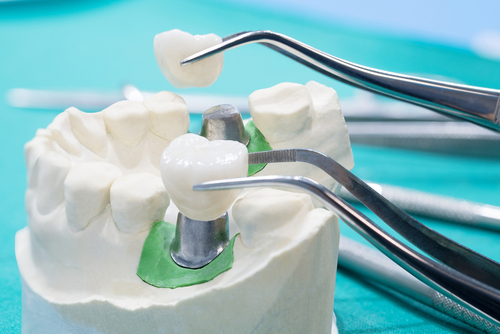
Dental crowns, sometimes referred to as caps, are prosthetics that are used to cover or encase a tooth that has been injured or weakened in order to restore its strength, size, form, and look. They are manufactured to order to cover the whole visible area of the tooth, from the chewing surface to the gum line.

A dentist might suggest a dental crown for a number of reasons, including:

1. To Preserve a Weak Tooth: A tooth that has been considerably compromised by decay, big fillings, or fractures may be vulnerable to more harm or breaking. A crown can give the tooth more strength and defense, keeping it from cracking or suffering more harm.

2. To Repair a Broken or Damaged Tooth: Dental crowns can be used to repair teeth that are chipped, broken, or otherwise damaged. The tooth’s shape, function, and look are all restored when the crown covers the injured area.

3. To Support a Tooth with a Large Filling: A crown may be suggested to give extra support and stop the filling from coming loose or the tooth from breaking when a large filling undermines the structural integrity of the tooth.

4. To Cover a Dental Implant: Artificial tooth roots, surgically inserted into the mandible to replace lost teeth, are commonly covered with dental crowns. The visible and functional portion of the replacement tooth is the crown that is affixed to the implant.

5. To Improve the Appearance of a Tooth: Dental crowns can also be used cosmetically to make teeth that are crooked, stained, or misaligned look better. A crown can be placed over the tooth to provide the patient with a more attractive grin.

A dental crown usually has to be placed in two appointments. The dentist will shape the tooth to accept the crown and remove any decayed or damaged tissue during the initial session. In order to build a custom-made crown that mimics the color, size, and shape of the natural teeth, impressions of the tooth and adjacent teeth are then taken. While the permanent crown is being made, the prepared tooth may be covered with a temporary crown.

The temporary crown is taken out during the second appointment, and the permanent crown is meticulously fitted, with any necessary adjustments made to ensure proper bite, fit, and appearance. The crown is set firmly into place after the patient and dentist are happy with the outcome.

Dental crowns can last for many years with the right upkeep and care, offering patients long-lasting, aesthetically pleasing restorations that improve oral health and function. Maintaining general oral health and extending the life of dental crowns require routine brushing, flossing, and dental examinations.

Teeth Cleaning

Professional teeth cleaning, sometimes referred to as dental prophylaxis, is a crucial part of keeping your teeth healthy overall and practicing proper oral hygiene. Plaque, tartar, and stains are removed from the surfaces of the teeth by a dentist or dental hygienist as part of a preventive dental procedure.

The dentist will use specialized tools during a teeth-cleaning visit to remove plaque and tartar accumulation from the teeth, especially in regions that are challenging to reach with routine brushing and flossing. If plaque, a sticky layer of germs, is not routinely cleaned from the teeth, it can cause gum disease and tooth decay. Calculus, or tartar, is a hardened form of plaque that requires the use of specialized dental instruments to be eliminated.

There are usually multiple processes involved in the tooth cleaning procedure:

1. Physical Examination: To look for any indications of oral health problems, such as cavities, gum disease, or oral cancer, the dentist will visually examine the teeth and gums.

2. Removal of Plaque and Tartar: The dentist will use a scaler to gently remove plaque and tartar accumulation from the tooth surfaces, giving particular attention to regions between the teeth and around the gum line.

3. Cleaning and Polishing: Following the removal of plaque and tartar, the teeth are polished with a revolving polishing tool and a grittier material that resembles toothpaste. This makes it harder for plaque to build up by smoothing the tooth enamel and removing surface stains.

4. Fluoride Treatment: After cleaning, the teeth may occasionally receive a fluoride treatment. Fluoride aids in preventing tooth decay and strengthening tooth enamel.

Every six months, periodic teeth cleanings are usually advised as part of a thorough oral hygiene regimen. The frequency of tooth cleanings, however, may differ based on a person’s unique oral health requirements and dental disease risk factors.

To avoid dental problems, it’s crucial to practice proper oral hygiene at home in addition to getting your teeth professionally cleaned. This entails using fluoride toothpaste to brush your teeth at least twice a day, flossing every day to get rid of food particles and plaque from in between your teeth, and using mouthwash to wash away bacteria and freshen your breath.

You may prevent decay, disease, and other oral health issues by making routine teeth cleaning sessions a priority and maintaining proper oral hygiene practices. This will help you maintain a beautiful and healthy smile for many years to come.

Benefits of Orthodontic Treatment

The specialty area of dentistry known as orthodontics is devoted to the diagnosis, prevention, and treatment of malocclusions or abnormalities of the teeth and face. Misalignments of the teeth and jaws that can impact bite function, oral health, and appearance are referred to as malocclusions.

Dentistry specialists who complete extra training after graduating from dentistry school are known as orthodontists, and they specialize in the diagnosis, treatment, and prevention of malocclusions. They build healthy, functional, and aesthetically beautiful smiles by using a range of methods and appliances to straighten teeth and rectify misalignments in the jaw.

Achieving ideal jaw and tooth alignment is one of the main objectives of orthodontic treatment. This can enhance bite function and guard against dental issues such as gum disease, tooth decay, and abnormal wear on tooth surfaces. Through the creation of a more harmonious and balanced relationship between the teeth, jaws, and facial tissues, orthodontic treatment can also improve the appearance of the face.

Orthodontists treat a number of common orthodontic conditions, including:

1. Crooked Teeth: Misaligned or crooked teeth can cause problems with how a smile looks and how easy it is to clean them, which raises the risk of dental issues including gum disease and tooth decay.

2. The condition known as overcrowding happens when there is not enough room in the dental arch for each tooth to grow fully. In addition to making it more difficult to clean in between the teeth, this might result in crooked, overlapping, or twisted teeth.

3. Overbite: An overbite is characterized by an excessive amount of overlap between the upper and lower front teeth. This may result in jaw pain, issues with how the bite works, and a higher risk of tooth injuries.

4. Underbite: When the lower front teeth erupt past the upper front teeth, this condition is known as an underbite. This may have an impact on speech, bite patterns, and facial appearance.

5. Crossbite: An inappropriate bite between the upper and lower teeth is caused by one or more teeth that are misaligned horizontally. This may result in issues with jaw growth and bite function.In order to progressively shift the teeth into the correct position, orthodontic treatment may involve the use of braces, clear aligners, retainers, or other tools. The particular treatment plan will be determined by the orthodontic demands and objectives of each patient.

A thorough examination is usually conducted before beginning orthodontic treatment. During this time, the orthodontist will evaluate the patient’s dental and facial anatomy, take diagnostic records such as X-rays and tooth impressions, and create a personalized treatment plan. Patients will attend scheduled appointments during the course of therapy in order to track their progress, make necessary adjustments to their equipment, and make sure everything is going according to plan.

The quality of life, dental health, and self-confidence of patients can all be significantly impacted by orthodontic therapy. Orthodontists assist patients in achieving healthier, more functional, and aesthetically pleasing smiles that can last a lifetime by addressing dental and facial anomalies. Make an appointment with an orthodontist if you or your child is having orthodontic problems in order to find out more about your options for treatment and to start along the path to a healthier, straighter smile.

What is Dental Sedation?

For many people, going to the dentist can be a frightening experience. The idea of being in the dentist’s chair might cause feelings of dread, whether it’s because of a general nervousness about dental procedures, a fear of pain, or memories of past unpleasant experiences. Sedation dentistry is a solution, though, that can significantly improve patient comfort and reduce anxiety during dental visits. Using medication to assist patients relax during dental operations is known as sedation dentistry. It helps people who suffer from dental anxiety or phobia in particular because it enables them to get the necessary dental care without experiencing excruciating pain or dread.

Making patients feel more at ease during dental operations is one of the main advantages of sedation dentistry. Even basic dental checkups and cleanings can be extremely distressing for people who suffer from dental anxiety. With sedation dentistry, patients can experience a state of relaxation and comfort throughout the entire operation, which facilitates the dentist’s ability to execute necessary treatments. Furthermore, anesthesia can lessen pain both before and after the treatment, making the whole experience more enjoyable.

The ability to increase the effectiveness of dental visits is another benefit of sedation dentistry. Patients may find it difficult to remain still for prolonged periods of time when they are scared or frightened, which could make the process take longer. Dentists can operate more efficiently and swiftly and finish treatments faster when they use sedation to help patients relax. Not only does this help patients with hectic schedules, but it also helps dentists who want to give their patients the best care possible as quickly as feasible.

Patients with strong gag reflexes or trouble going numb can also benefit from sedation dentistry. It can be difficult for these people to have local anesthesia or to keep their mouths open for long periods of time. By creating a state of calm, sedation helps to address these problems by facilitating the dentist’s ability to administer anesthesia and carry out necessary dental procedures without interruptions.

Furthermore, when used by a qualified and experienced dentist, sedation dentistry is a safe alternative for the majority of patients. Patients usually go through a comprehensive screening to make sure they are good candidates for the operation before going under sedation. The most suitable kind and degree of sedation will be decided by the dentist after reviewing the patient’s medical history, current medications, and any pre-existing medical issues. The patient’s vital signs will be continuously monitored during the process to guarantee their safety and wellbeing.

In conclusion, people who suffer from dental anxiety or panic might find a comfortable and practical answer with . Sedation dentistry makes it easier for dentists to offer the essential care while minimizing discomfort and anxiety by assisting patients in relaxing during dental procedures. Furthermore, sedation can facilitate more efficient dental visits, which is advantageous to both patients and dentists. All things considered, sedation dentistry is a useful technique that enables people to get the dental treatment they require without experiencing the anxiety and tension that are frequently connected to going to the dentist.

Importance of Tooth Extraction

Dental operations called teeth extractions, sometimes referred to as tooth extractions or dental extractions, involve taking out one or more teeth from the mouth. Although the idea of having a tooth extracted can be frightening, extractions are occasionally required to preserve oral health and stop more dental issues.


A tooth may require extraction for a number of reasons:

1. Severe Tooth Decay: In order to stop an infection from spreading to neighboring teeth and gums, a tooth may need to be extracted if it has significant decay and cannot be repaired with fillings, crowns, or other dental procedures.

2. Advanced Gum Disease: Gum disease, also referred to as periodontal disease, can erode the teeth’s supporting tissues, which can result in tooth loss. In certain situations, it could be advised to extract teeth that are seriously damaged in order to stop the illness from spreading.

3. Wisdom teeth, also known as third molars, frequently become impacted, which prevents them from fully erupting through the gums because of inadequate space or misalignment. Wisdom teeth that are impacted may require extraction due to discomfort, infection, and harm to nearby teeth.

4. Orthodontic Treatment: To provide room for orthodontic treatment, such as braces or clear aligners, orthodontists may occasionally advise extracting one or more teeth.

5. Trauma or Injury: If restorative dental treatments are not successful in repairing teeth that are shattered, broken, or severely damaged as a result of trauma or injury, the teeth may need to be pulled.

A dentist or oral surgeon at Eversmiles Dental will usually perform a comprehensive examination and evaluation prior to beginning the tooth extraction procedure. To determine the tooth’s position in relation to the surrounding structures, X-rays may be taken. The dentist will create a treatment plan and go over the choices with the patient based on the results.

To keep the patient comfortable and pain-free throughout the extraction process, the dentist will use local anesthetic to numb the surrounding tissue. When more than one tooth needs to be pulled or the patient is anxious about getting their teeth cleaned, sedation may occasionally be administered to assist the patient in rest throughout the process.

After numbing the tooth, the dentist will gently remove it from the mouth by loosening it from its socket with specialist tools. To make extraction easier, the tooth could occasionally need to be sectioned into smaller pieces. The dentist will give post-operative instructions, such as pain management, dental hygiene, and food restrictions after the tooth is pulled.

It’s critical to adhere to the dentist’s instructions after a tooth extraction in order to promote healing and prevent issues like infection or dry sockets. Most patients who receive the right care and attention recover from tooth extractions without any problems, and the extraction site heals in a matter of weeks. Talk to your oral surgeon or dentist if you have any questions or concerns regarding tooth extractions.