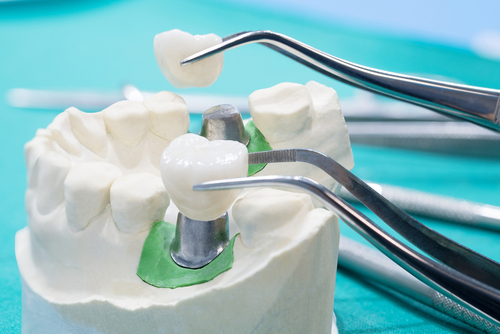
Dental crowns, sometimes referred to as caps, are prosthetics that are used to cover or encase a tooth that has been injured or weakened in order to restore its strength, size, form, and look. They are manufactured to order to cover the whole visible area of the tooth, from the chewing surface to the gum line.
A dentist might suggest a dental crown for a number of reasons, including:
1. To Preserve a Weak Tooth: A tooth that has been considerably compromised by decay, big fillings, or fractures may be vulnerable to more harm or breaking. A crown can give the tooth more strength and defense, keeping it from cracking or suffering more harm.
2. To Repair a Broken or Damaged Tooth: Dental crowns can be used to repair teeth that are chipped, broken, or otherwise damaged. The tooth’s shape, function, and look are all restored when the crown covers the injured area.
3. To Support a Tooth with a Large Filling: A crown may be suggested to give extra support and stop the filling from coming loose or the tooth from breaking when a large filling undermines the structural integrity of the tooth.
4. To Cover a Dental Implant: Artificial tooth roots, surgically inserted into the mandible to replace lost teeth, are commonly covered with dental crowns. The visible and functional portion of the replacement tooth is the crown that is affixed to the implant.
5. To Improve the Appearance of a Tooth: Dental crowns can also be used cosmetically to make teeth that are crooked, stained, or misaligned look better. A crown can be placed over the tooth to provide the patient with a more attractive grin.
A dental crown usually has to be placed in two appointments. The dentist will shape the tooth to accept the crown and remove any decayed or damaged tissue during the initial session. In order to build a custom-made crown that mimics the color, size, and shape of the natural teeth, impressions of the tooth and adjacent teeth are then taken. While the permanent crown is being made, the prepared tooth may be covered with a temporary crown.
The temporary crown is taken out during the second appointment, and the permanent crown is meticulously fitted, with any necessary adjustments made to ensure proper bite, fit, and appearance. The crown is set firmly into place after the patient and dentist are happy with the outcome.
Dental crowns can last for many years with the right upkeep and care, offering patients long-lasting, aesthetically pleasing restorations that improve oral health and function. Maintaining general oral health and extending the life of dental crowns require routine brushing, flossing, and dental examinations.