The specialty area of dentistry known as orthodontics is devoted to the diagnosis, prevention, and treatment of malocclusions or abnormalities of the teeth and face. Misalignments of the teeth and jaws that can impact bite function, oral health, and appearance are referred to as malocclusions.
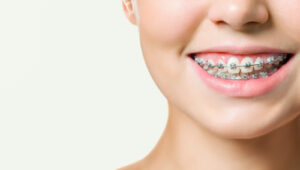
Dentistry specialists who complete extra training after graduating from dentistry school are known as orthodontists, and they specialize in the diagnosis, treatment, and prevention of malocclusions. They build healthy, functional, and aesthetically beautiful smiles by using a range of methods and appliances to straighten teeth and rectify misalignments in the jaw.
Achieving ideal jaw and tooth alignment is one of the main objectives of orthodontic treatment. This can enhance bite function and guard against dental issues such as gum disease, tooth decay, and abnormal wear on tooth surfaces. Through the creation of a more harmonious and balanced relationship between the teeth, jaws, and facial tissues, orthodontic treatment can also improve the appearance of the face.
Orthodontists treat a number of common orthodontic conditions, including:
1. Crooked Teeth: Misaligned or crooked teeth can cause problems with how a smile looks and how easy it is to clean them, which raises the risk of dental issues including gum disease and tooth decay.
2. The condition known as overcrowding happens when there is not enough room in the dental arch for each tooth to grow fully. In addition to making it more difficult to clean in between the teeth, this might result in crooked, overlapping, or twisted teeth.
3. Overbite: An overbite is characterized by an excessive amount of overlap between the upper and lower front teeth. This may result in jaw pain, issues with how the bite works, and a higher risk of tooth injuries.
4. Underbite: When the lower front teeth erupt past the upper front teeth, this condition is known as an underbite. This may have an impact on speech, bite patterns, and facial appearance.
5. Crossbite: An inappropriate bite between the upper and lower teeth is caused by one or more teeth that are misaligned horizontally. This may result in issues with jaw growth and bite function.In order to progressively shift the teeth into the correct position, orthodontic treatment may involve the use of braces, clear aligners, retainers, or other tools. The particular treatment plan will be determined by the orthodontic demands and objectives of each patient.
A thorough examination is usually conducted before beginning orthodontic treatment. During this time, the orthodontist will evaluate the patient’s dental and facial anatomy, take diagnostic records such as X-rays and tooth impressions, and create a personalized treatment plan. Patients will attend scheduled appointments during the course of therapy in order to track their progress, make necessary adjustments to their equipment, and make sure everything is going according to plan.
The quality of life, dental health, and self-confidence of patients can all be significantly impacted by orthodontic therapy. Orthodontists assist patients in achieving healthier, more functional, and aesthetically pleasing smiles that can last a lifetime by addressing dental and facial anomalies. Make an appointment with an orthodontist if you or your child is having orthodontic problems in order to find out more about your options for treatment and to start along the path to a healthier, straighter smile.